Need septic tank pumping in St. Petersburg?
Tell us what you are seeing. Send a request and we will point you to an independent provider in the network. There is no obligation to move forward.
No obligation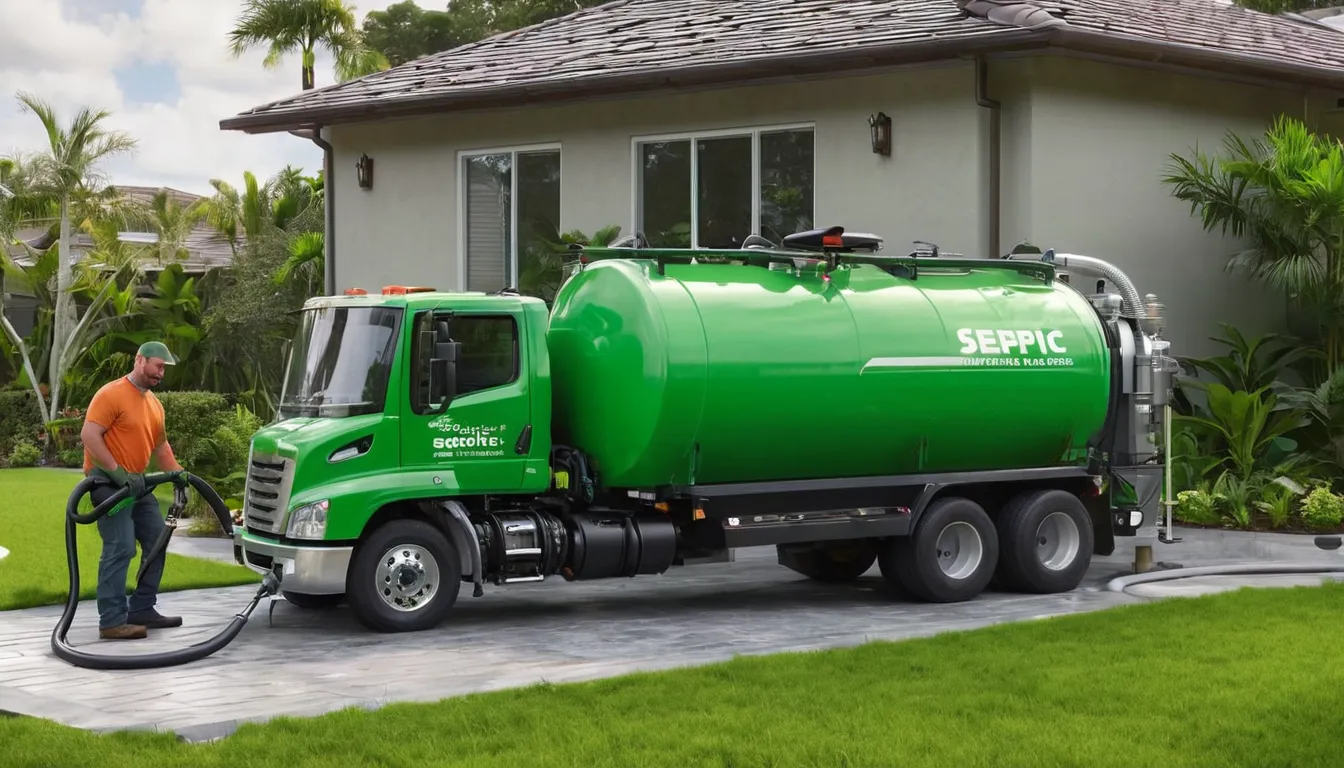
Request an estimate for tank pumping
If your drains are slow, your yard smells, or you cannot remember the last pumping, your tank may be full. That worry is common, and it is usually fixable. Solids build up in the tank over time. Once they reach the outlet, they can slip toward the drainfield.
Downtownwarren Septic is a referral service. We do not pump tanks. We connect homeowners in the St. Petersburg area with independent providers in our network who handle septic tank pumping and emergency septic cleaning. This page explains what happens as a tank fills, what your options are, and what to expect before any work starts. There is no obligation to hire anyone.
Slow drains, gurgling pipes, and a sour smell outside are the early signs. Wet, spongy grass over the tank or drainfield is another. If you see any of these, treat your tank as full until a provider says otherwise.
You are not alone, and you have not failed. Most tanks fill quietly. Nothing seems wrong until one day it does.
Timing shapes cost. Here is the usual path, though every home is different.
Drains slow down. Toilets flush weakly. Laundry may make the pipes gurgle. At this stage, the tank is near its limit but the damage is still small.
Solids can reach the outlet. Cloudy water and fine bits then move toward the drainfield. Odors may show up near the tank lid or the yard.
The drainfield soil can clog with sludge. Water pools on the lawn. Wastewater may back up into a low shower or tub.
A clogged drainfield may need drainfield repair, and that costs far more than a pumping. This is why a quick visit is usually the gentler path.
In humid, stormy places, the ground is often soaked for weeks. A wet drainfield cannot take in much water. A tank that is already full has nowhere to send it.
If a big storm is coming, pumping ahead of time can leave room in the tank. After a flood, avoid heavy water use until a provider checks the system. Hurricane season is a good time to plan ahead.
Most homeowners have three choices.
If the tank is pumped and problems continue, the next step may be a closer look at the drainfield or pipes. That is a separate job, and a provider can explain it.
Many homes need pumping about every three to five years. The right timing depends on tank size, how many people live in the home, and how much water you use. A garbage disposal adds more solids.
A provider can measure the sludge layer and give a better schedule for your home. Many 1970s to 2000s subdivisions have older tanks, so a check may be worth it.
The provider finds the tank and opens the lids. A hose removes the liquid and the solids. Then the tank is checked for cracks and worn parts.
The visit often takes a few hours. Expect a truck in the driveway and a hose across the yard. You usually do not need to do anything but keep pets inside.
If sewage is backing up into the house, ask for emergency septic cleaning when you reach a provider. Stop using water, and keep people and pets away from the area. Request a callback to check provider availability.
Many providers can respond quickly, but availability varies.
A pumping is a good chance to inspect. With the tank empty, the provider can see the walls, the baffles, and the inlet and outlet pipes. Small problems found now are cheaper to fix.
Ask for notes on what was seen. Written notes also help later if you sell the home.
Many lenders and buyers ask for a septic inspection. A pumping record shows the tank has been cared for. If you are buying, ask when it was last pumped and where the tank is.
Sellers can save stress by pumping and inspecting early. Rules differ by area, so ask your agent.
If your property has a private well, a failing septic system can matter more. Keep the two apart and ask a water well service provider to test the well if you think wastewater has reached the yard.
Small habits keep solids low and the drainfield dry.
A good provider answers plainly. You can say no and compare.
A truck removes liquid and solids from the tank so the system has room to work again.
Many visits include a look at lids, baffles, and pipes while the tank is open.
For backups, providers may offer faster cleaning. Availability varies, so ask when you reach one.
Ask for written notes on tank condition and sludge level. They help with future pumping and home sales.
Prices depend on tank size, access, and local rates. These are general U.S. ranges only. Always get a written quote before work begins, and ask what it includes.
| Item | Typical range | Notes |
|---|---|---|
| Routine pumping (1,000 gal) | $250 – $600 | Common for smaller homes |
| Larger tank (1,500+ gal) | $350 – $900 | More volume costs more |
| Tank inspection add-on | $100 – $400 | Often done when empty |
| Hard-to-reach tank | $100 – $400 extra | Digging or long hose runs |
| Emergency septic cleaning | $400 – $1,000 | Varies by provider and timing |
| Riser or lid install | $300 – $900 | Makes future visits easier |
Tell us what you see, such as slow drains, odors, or wet grass, and roughly when the tank was last pumped.
Downtownwarren Septic matches your request with an independent provider in your area.
Ask the provider for a written quote and what it covers before agreeing.
The provider pumps the tank, checks its condition, and shares notes with you afterward.
Pumping before solids reach the drainfield can protect the part of the system that is costliest to repair.
You see the choices and likely costs before anyone starts work.
Work is done by local independent providers, not by Downtownwarren Septic.
Request an estimate and compare. You decide whether to hire anyone.
Tell us what you are seeing. Send a request and we will point you to an independent provider in the network. There is no obligation to move forward.
No obligationSlow drains, gurgling pipes, sewage odors, and soggy grass near the tank are common signs. A provider can confirm by opening the lid and measuring the solids.
Many homes need pumping every three to five years. Tank size, household size, and water use change that. A provider can check your tank and suggest a schedule that fits.
Yes, cut back. Extra water can push solids toward the drainfield or cause a backup. Limit laundry and long showers until a provider checks it.
Tell us what you are seeing. Send a request and we will point you to an independent provider in the network. There is no obligation to move forward.
No obligation